
What is the The Triage Tool
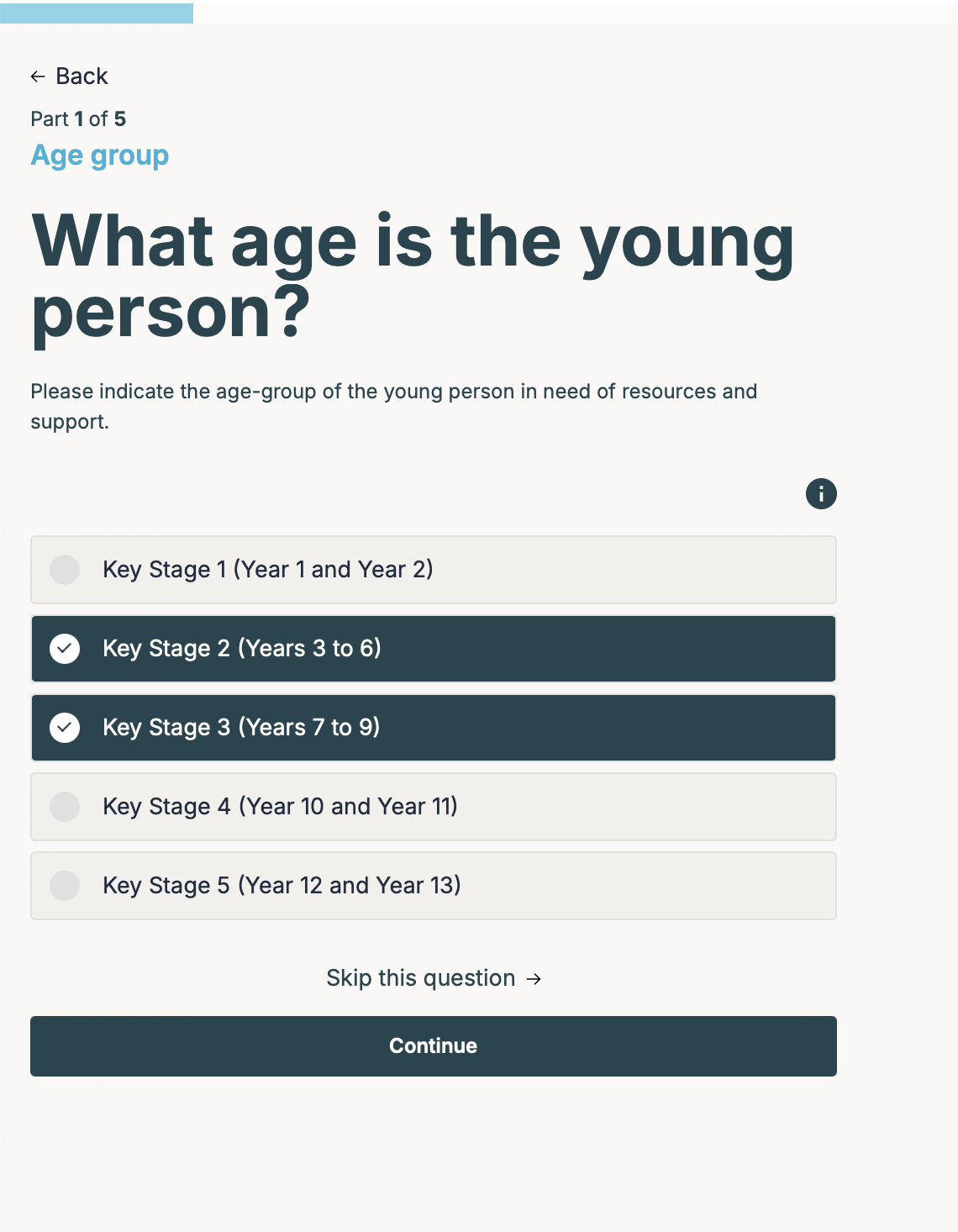
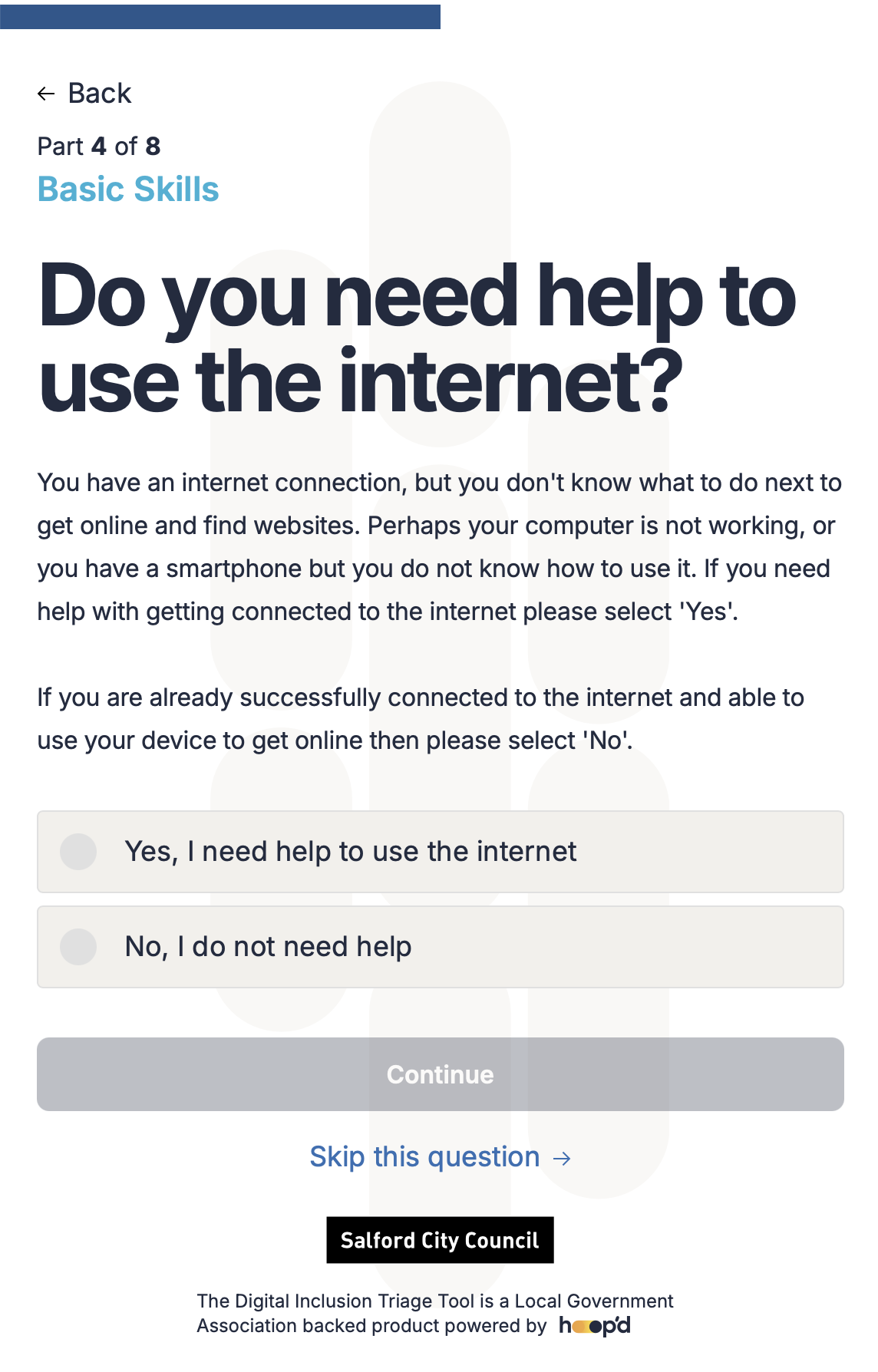
Our Triage Tool enables organisations to conduct structured needs assessments at the point of first contact, using custom algorithms to generate personalised recommendations and referral pathways. Whether delivered digitally by the user or supported by a practitioner in person or by phone, the tool creates a consistent, data-driven starting point for every engagement — reducing inconsistency, improving outcomes, and generating the evidence needed to understand your population's needs.
From assessment to action
Structured assessment
Custom question sets designed around your service context and user needs guide users or practitioners through a consistent, evidence-based assessment at the point of first contact.
Algorithm-driven recommendations
Our matching engine applies your defined criteria to assessment responses, ranking and surfacing the most relevant resources, services, and referral pathways for each individual.
Assisted and self-service modes
Users can complete assessments independently online, or a practitioner can work through the assessment with them — generating the same quality of structured data and recommendations either way.
Local and national resources
Integrated access to local directories and national resource APIs ensures comprehensive signposting, drawing on both your local service offer and accredited national sources.
Everything you need at first contact
Custom Assessment Design
Build assessment journeys tailored to your service context — from digital inclusion and housing risk to school exclusion and health needs. Question logic adapts dynamically based on responses.
Algorithm-Driven Matching
Our matching engine applies your defined criteria to assessment responses, ranking and surfacing the most relevant resources and referral options. As your local directory grows, recommendations improve with it.
Practitioner and Self-Service Modes
Users can complete assessments independently online, or a practitioner can work through the assessment with them — capturing the same structured data and generating the same quality of recommendation.
Progress Tracking and Follow-Up
Monitor where users are in their journey, track which resources they have been referred to, and identify those who need further support. Creates a longitudinal record supporting case management.
Data Visualisation and Reporting
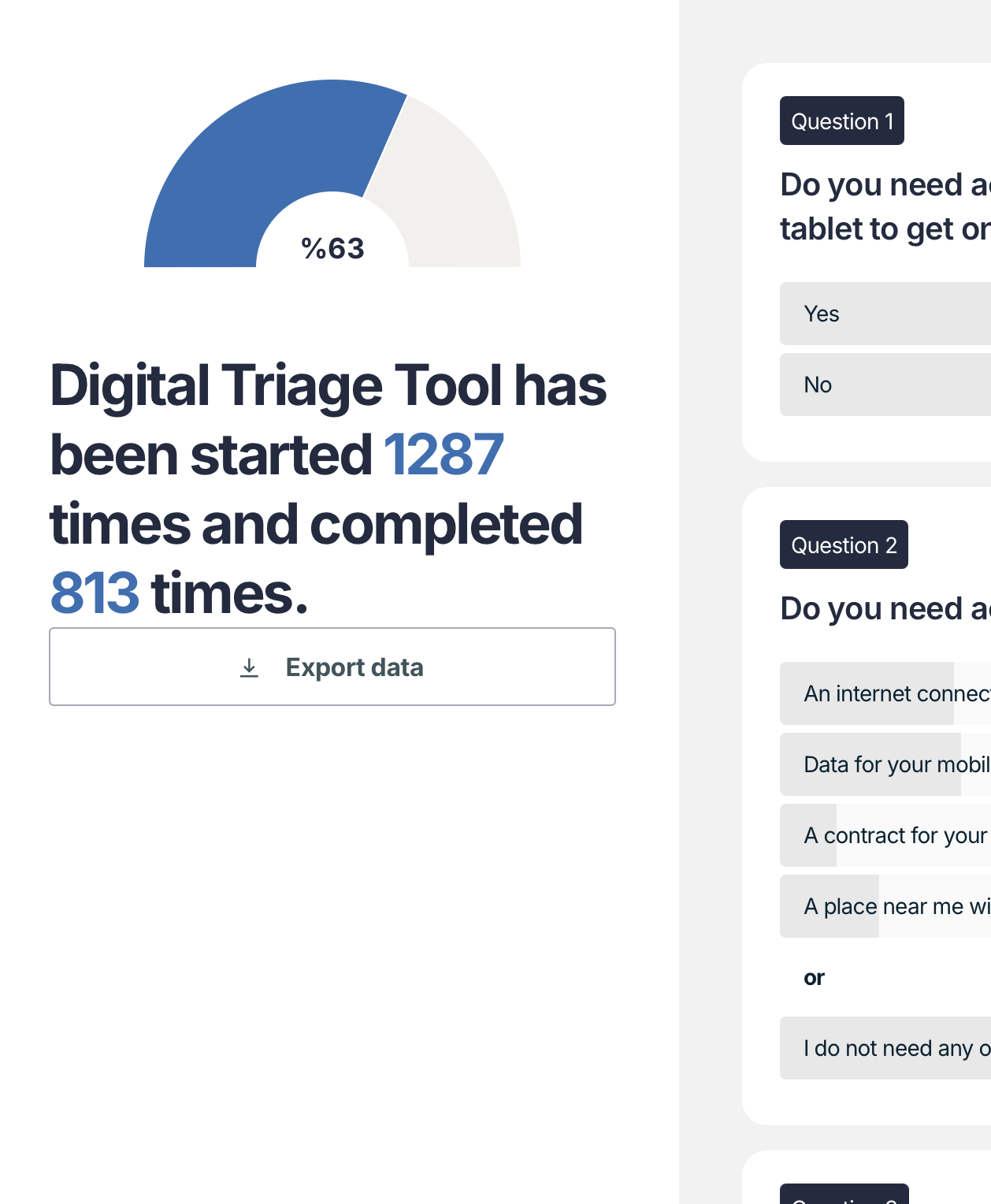
Access real-time data on assessment activity, needs profiles, and referral outcomes across your population. Understand demand patterns, identify gaps in provision, and build the commissioning evidence base.
Better decisions at first contact
Consistency at scale
Every user receives a structured, evidence-based assessment — regardless of who is conducting it or where. Reduces variability in service delivery and improves equity of access.
Earlier intervention
By identifying needs accurately at first contact, the tool enables earlier and more targeted support — reducing the likelihood of escalation and crisis.
Reduced practitioner workload
Automated assessment and recommendation frees practitioners from manual signposting, allowing them to focus time and attention on those with the most complex needs.
Rich population data
Every assessment generates structured data. Over time, this builds a comprehensive picture of need across your population — informing service design, commissioning, and advocacy.