
What is the First Point Case Manager
Our First Point Case Manager is a case management platform designed for the front line of service delivery. Rather than treating case management as something that begins after a complex intake process, the tool is designed to open a case and begin gathering structured data from the moment of first contact — whether that happens in person, by phone, or online. This early, structured engagement improves the quality of decision-making, enables earlier intervention, and creates the data foundation for effective ongoing case management.
From first contact to managed case
Instant case creation
Cases are opened at the point of first contact — not after a separate administrative process. No information is lost, no need goes unrecorded, and no opportunity for early intervention is missed.
Integrated triage
Needs assessment is built into the case creation workflow, generating structured data, personalised recommendations, and risk flags from the very start of the engagement.
Risk stratification
Cases are automatically stratified by risk level based on assessment responses, enabling practitioners to prioritise their caseload effectively from day one.
Referral and resource management
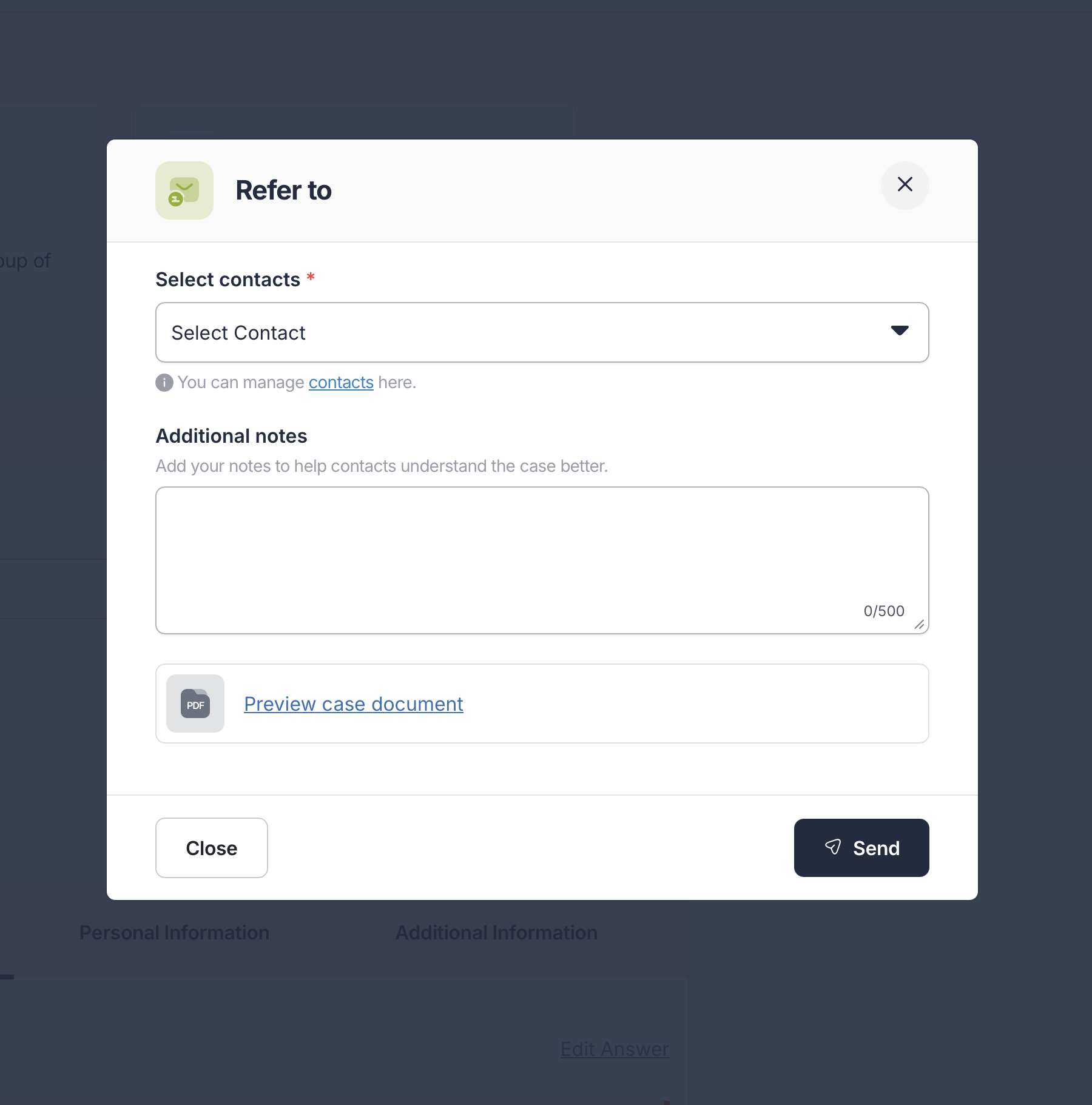
Refer cases to internal teams, external services, or national resource directories directly from the case record — with all referrals tracked and outcomes recorded.
Case management from the first moment
First Contact Case Opening
The platform is built around the principle that the most important moment in a service journey is the first one. By opening a case at the point of first contact, the tool ensures no information is lost.
Integrated Triage and Assessment
Custom triage forms are built into the case creation workflow. The platform applies algorithms to generate recommended resources, flag risk factors, and suggest priority actions — reducing cognitive load on practitioners.
Risk Monitoring and Prioritisation
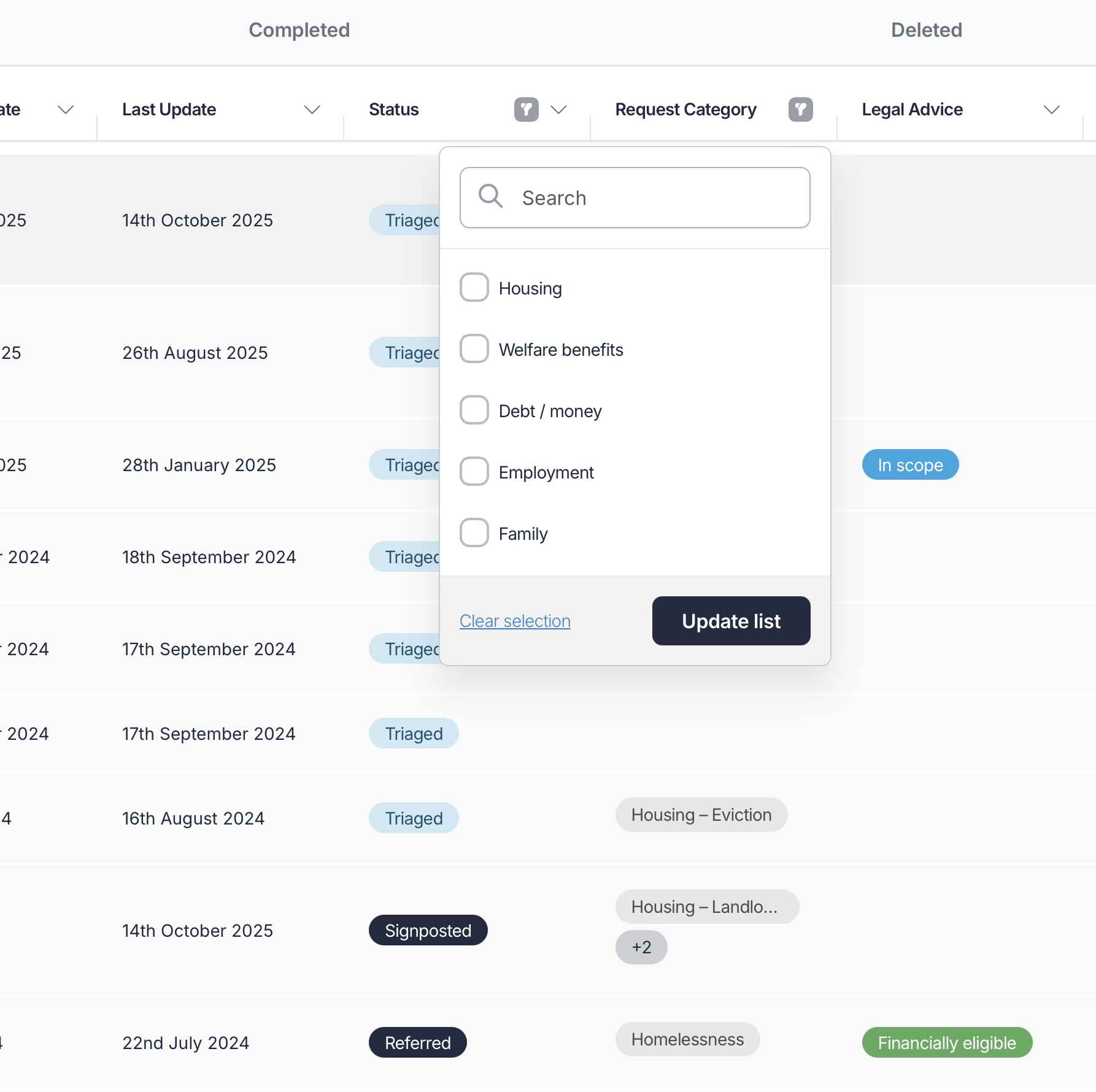
A real-time dashboard gives supervisors a clear view of caseload risk across the team. Cases are stratified by urgency, with automated alerts for cases that have not been reviewed recently or where risk has escalated.
Referral and Resource Integration
Refer users to internal teams, specialist services, or resource directories from the case record. Referrals are tracked, outcomes recorded, and the full referral history maintained as part of the case timeline.
Data Portability and Integration
We work with partners to integrate the platform with existing case management, housing, and social care systems — improving data portability and reducing duplication of data entry.
Reporting and Oversight
Access detailed reporting on case volumes, risk profiles, referral outcomes, and intervention effectiveness — giving senior leaders the evidence they need to allocate resources effectively.
Earlier, more consistent support
Earlier, better-informed intervention
Structured data captured at first contact enables earlier identification of need and more targeted support — reducing the likelihood of crisis and the cost of late intervention.
Consistent, equitable decision-making
Integrated triage and algorithm-driven recommendations reduce variability in how practitioners respond to similar needs — improving consistency and fairness across a team.
Reduced administrative burden
Opening cases and capturing structured data as part of the assessment process — rather than as a separate step — reduces duplication and administrative overhead.
Comprehensive audit trail
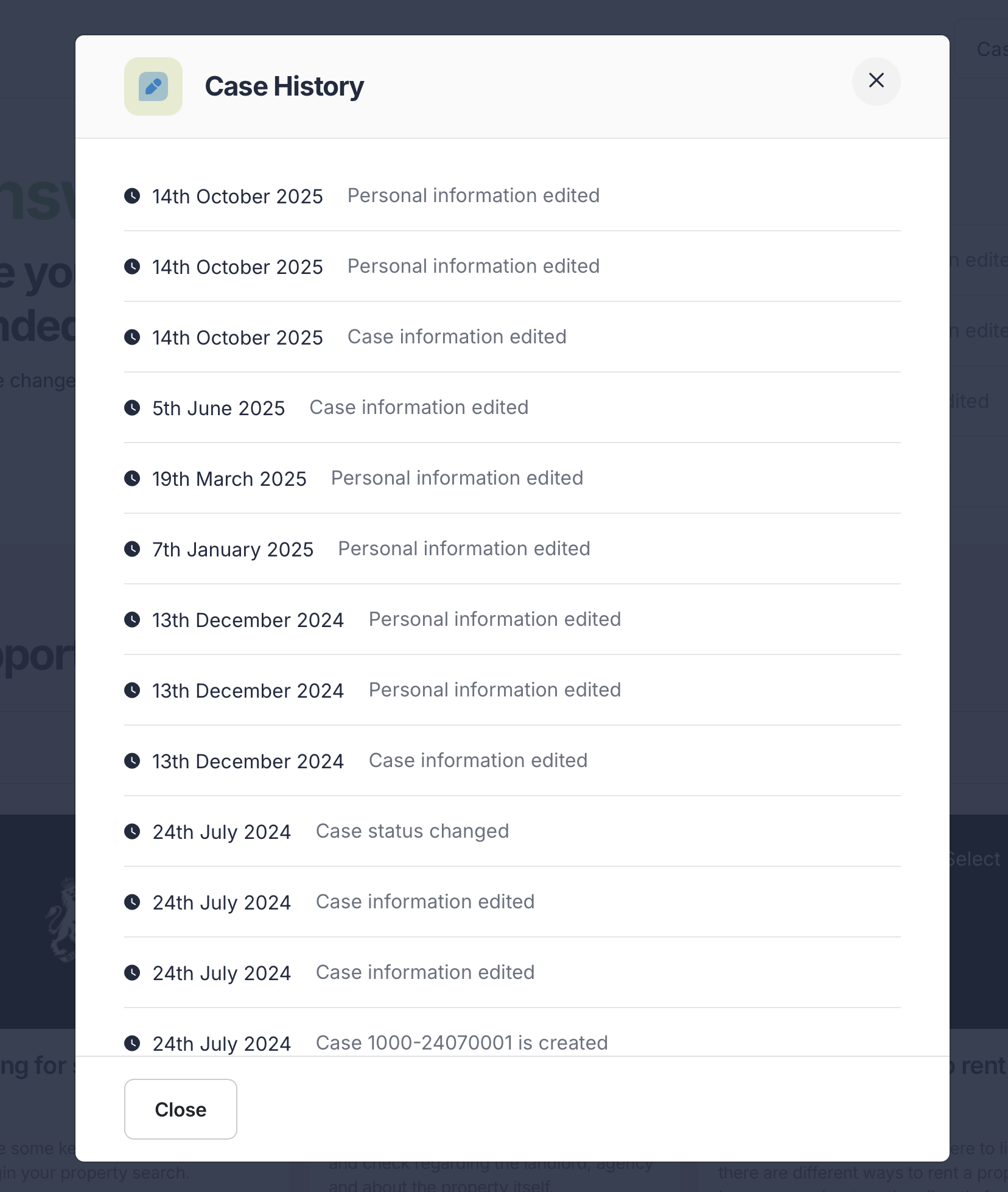
Every assessment, referral, and action is recorded and timestamped, creating a full audit trail that supports accountability, learning, and regulatory compliance.